Materials
Benefits of organic cotton: what the research says
Organic cotton is grown without synthetic pesticides, herbicides or genetically modified seeds. The clearest benefits of organic cotton in the research are that farmers avoid handling pesticides and that soils gain more organic carbon. Yields are often lower, and much of the water saving comes from climate and irrigation, not the farming method alone.
By Jon Vegard NæssPublished 5 min read
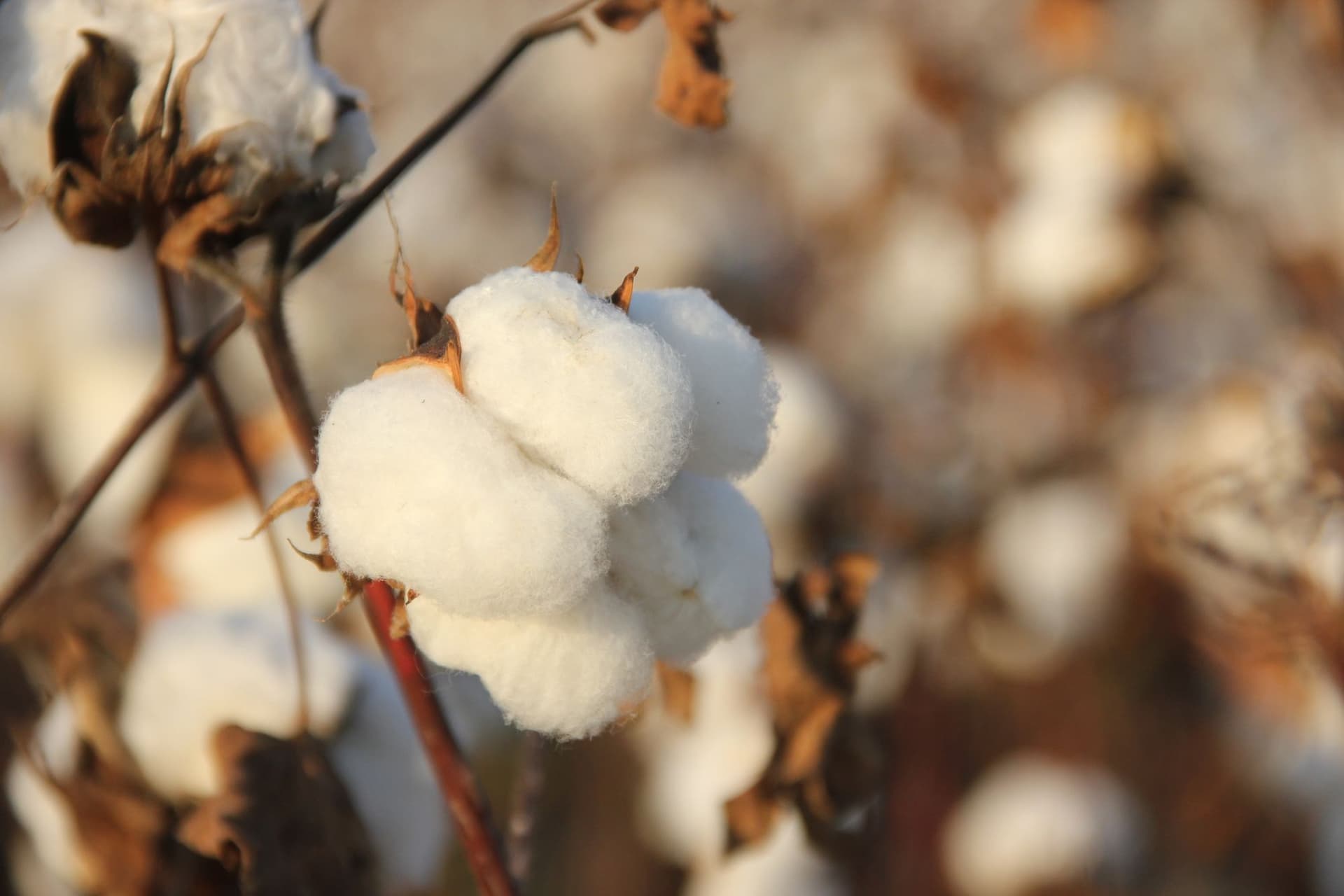
Organic cotton is often described as better for the environment. We have gone through the research behind the claims, and separate what is well documented from what is uncertain.
All our T-shirts are made from organic cotton, so we have an interest in the subject. That is why every source is listed at the end, so you can check for yourself.
What is organic cotton?
Organic cotton is produced without synthetic pesticides, herbicides or genetically modified seeds. That is the requirement in GOTS (Global Organic Textile Standard), an international standard for textiles made from organic fibres. GOTS also sets requirements for chemicals and working conditions in the rest of production.
A garment with the GOTS label “organic” must contain at least 95% certified organic fibres. The “made with organic materials” label requires at least 70%. The requirements are listed on the GOTS website.
Organic cotton is still a small share of the market. In the 2023/24 season, 2.9% of the world's cotton was certified organic, around 706,000 tonnes, according to Textile Exchange.
Fewer pesticides in the field
Conventional cotton uses more insecticide than its area would suggest. The International Cotton Advisory Committee (ICAC) has calculated use for 2018–2022:
- Cotton is grown on 2.3% of the world's arable land.
- Cotton accounted for 4.0% of all pesticide use.
- Cotton accounted for 10.5% of all insecticides used in agriculture.
You will often see the figure 16% for insecticides. ICAC's figures for 2018–2022 are lower. In the 1980s the share was 22.5%, according to a report from the organisation PAN UK, so use has fallen.
Organic farming does not use synthetic pesticides, so farmers do not have to handle them. That is the most direct benefit, and it applies to the people who grow the cotton.
Yields and income: what the long-term trial in India shows
The most thorough trial we have found is SysCom India. The research institute FiBL has compared organic and conventional cotton side by side in Madhya Pradesh since 2007.
In the first two years (2007–2008), organic cotton gave 29% lower yields. In the next two (2009–2010), yields were about the same, because conventional yields fell. Organic farming then had a 25% higher gross margin, because costs were lower (Forster et al., 2013).
The picture over the whole period is more sober. FiBL's 2026 synthesis shows around 25% lower yields for organic cotton in the trial, and an 11% lower gross margin on average. The gap narrowed in 2021–2024, after the organic plots switched to higher-yielding varieties and better soil management. On farms in the same region, yields were about the same, but varied a lot between farms.
Lower yields mean more land is needed to grow the same amount of cotton. That is a real drawback, and it belongs in any weighing of the benefits.
Soil and biodiversity
In the long-term trial in India, the organic plots had 13% more soil organic carbon after eight years, and 18% more nitrogen. There were also more earthworms and higher microbial activity in the soil, according to FiBL's synthesis.
More organic carbon is linked to better water retention in the soil, according to the report.
In the US, 40% of respondents in a survey of 113 organic cotton producers and handlers said they had seen more beneficial organisms after converting. These are their own observations, not measurements.
Climate and water: what the life cycle assessment says
A widely used comparison is a life cycle assessment from 2014, carried out by PE International for Textile Exchange. Per tonne of fibre, it found that organic cotton had:
- 46% lower greenhouse gas emissions
- 91% less use of water from rivers and groundwater
- 62% less use of non-renewable energy
- 70% less acidification and 26% less eutrophication
The assessment has caveats that are rarely mentioned. The comparison with conventional cotton was not verified in the assessment's own critical review, and the figures are global averages that hide large regional differences.
The water saving is mostly a matter of climate and irrigation. The organic cotton in the study was mainly rain-fed, while all the conventional regions were at least partly irrigated. The study itself says that water needs depend mainly on climate and irrigation technique. Read the assessment.
What organic does not guarantee
Organic is a requirement for how cotton is grown, and it has to be verifiable. In 2020, GOTS uncovered fake certificates in India covering around 20,000 tonnes of cotton. GOTS banned 11 companies and began checking every incoming certificate for organic raw material.
Seed is also a challenge. In 2010, over 80% of India's cotton area was sown with genetically modified Bt cotton, and non-GM seed had become hard to get, according to FiBL. India was then the world's largest producer of organic cotton.
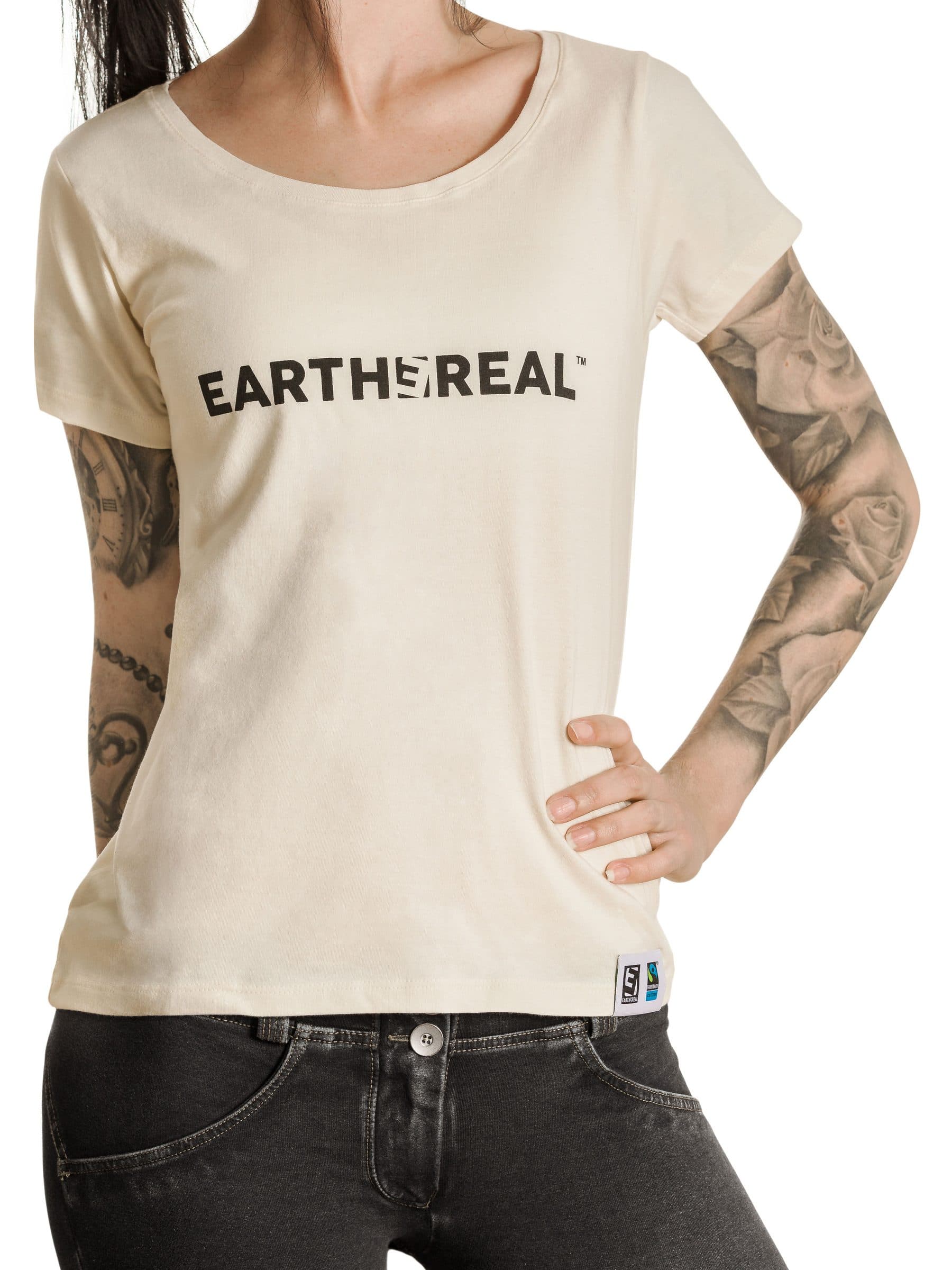
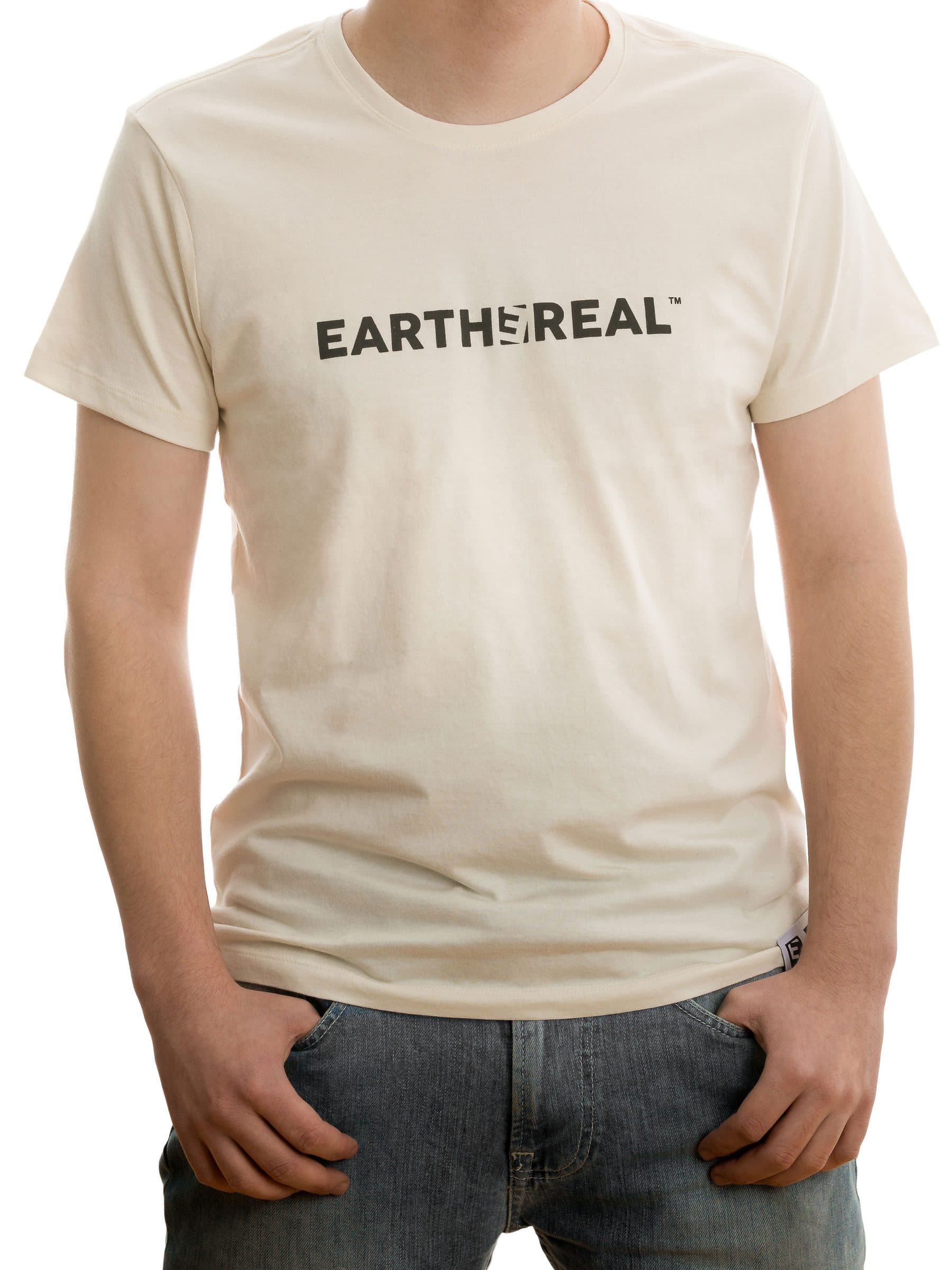
The cotton in our T-shirts is grown by farmers in the Chetna Organic cooperative in India, and spun, knitted and sewn at Rajlakshmi Cotton Mills in Kolkata. See for example the women's logo T-shirt or the men's.
Frequently asked questions
Is organic cotton better for the environment?
The research shows clear benefits in farming: no synthetic pesticides, and more soil organic carbon in long-term trials. Yields are often lower, so more land is needed per kilo. How large the climate benefit is depends on where and how the cotton is grown.
Does organic cotton use less water?
A 2014 life cycle assessment found 91% less use of water from rivers and groundwater. The study itself says the difference is mainly down to climate and irrigation, because the organic cotton in the study was mainly rain-fed.
Does organic cotton give lower yields?
Often. In a long-term trial in India, organic cotton gave around 25% lower yields, but the gap has narrowed in recent years. On farms in the same region, yields were about the same, with large differences between farms.
How much of the world's cotton is organic?
Around 2.9% in the 2023/24 season, according to Textile Exchange. That is about 706,000 tonnes.
What does the GOTS label mean?
GOTS is an international standard for textiles made from organic fibres. The “organic” label requires at least 95% certified organic fibres, and the standard also sets requirements for chemicals and working conditions in production.
Sources
- ICAC: The ICAC Recorder 2/2024, pesticide use in cotton 2018–2022
- PAN UK (2017): Is cotton conquering its chemical addiction?
- Forster et al. (2013): Yield and economic performance of organic and conventional cotton-based farming systems, PLoS ONE
- Singh et al., FiBL (2026): Organic cotton-based farming systems and their role in sustainable development
- Textile Exchange / PE International (2014): The Life Cycle Assessment of Organic Cotton Fiber
- The Organic Center (2021): Delate et al., survey of US organic cotton producers
- GOTS (2020): GOTS detects evidence of organic cotton fraud in India
- FiBL (2011): GM cotton seeds a threat to Indian farmers
- GOTS: Key Features
- Organic Trade Association (2025): Organic Cotton Fact Sheet, with Textile Exchange data